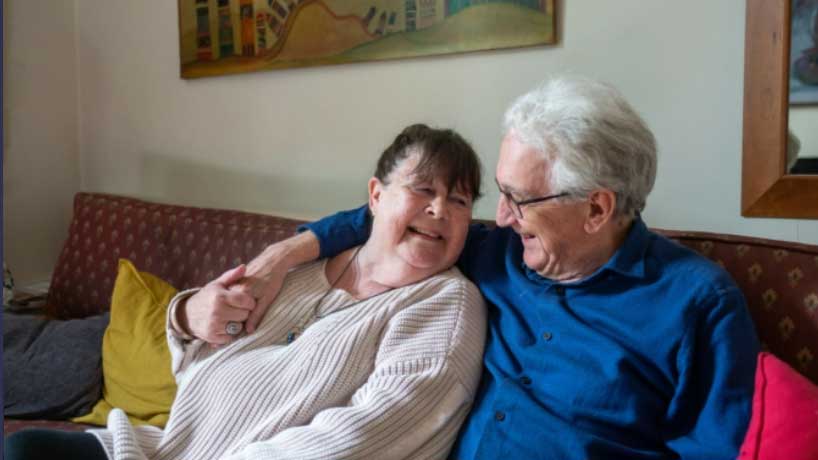
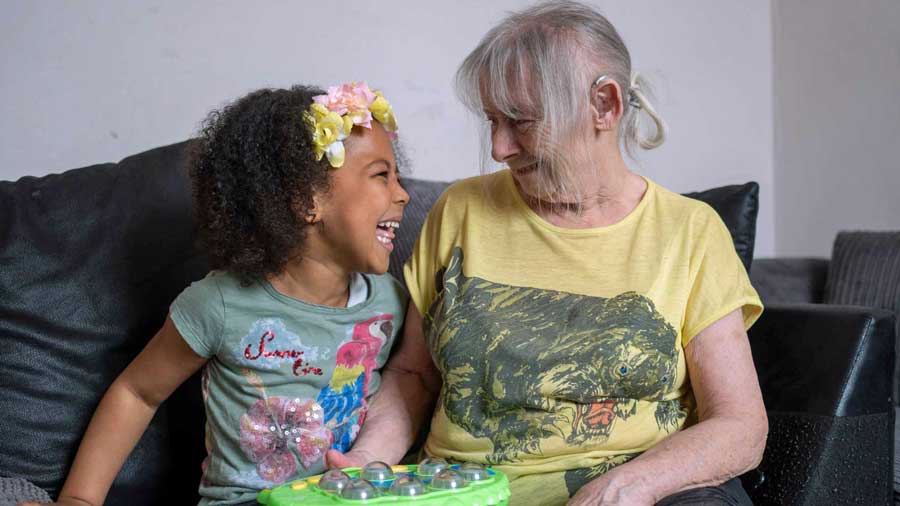
Image: Age Without Limits (credit: In-Press Photography)
Developing Good Home Hubs across England
How creating a local one-stop shop for home improvement support can help ensure everyone stays safe, warm and well at home

SUPPORTED HOUSING & HOMELESSNESS

Nazia Azad
Research and Policy Manager, Centre for Ageing Better
Nazia Azad
Research and Policy Manager, Centre for Ageing Better
Issue 84 | June 2026
Too many people in England live in unsafe homes with cold, damp and mould and disrepair affecting their physical and mental health. At the same time, the local services designed to help people address these issues have been under increasing pressure.
Local authorities have experienced significant reductions in funding and capacity for preventative housing services, as highlighted in our Lost Opportunities report, and therefore have considerably fewer resources available for home improvement activity than they did before the austerity period.
Despite this, many areas are finding innovative ways to deliver effective support by working more closely with partners across the housing, health and voluntary sectors. This gives us hope at Ageing Better, that with the right partnerships, resources and leadership, local authorities can still fulfil an important role in ensuring homes can become safe, warm and supportive places for everyone.
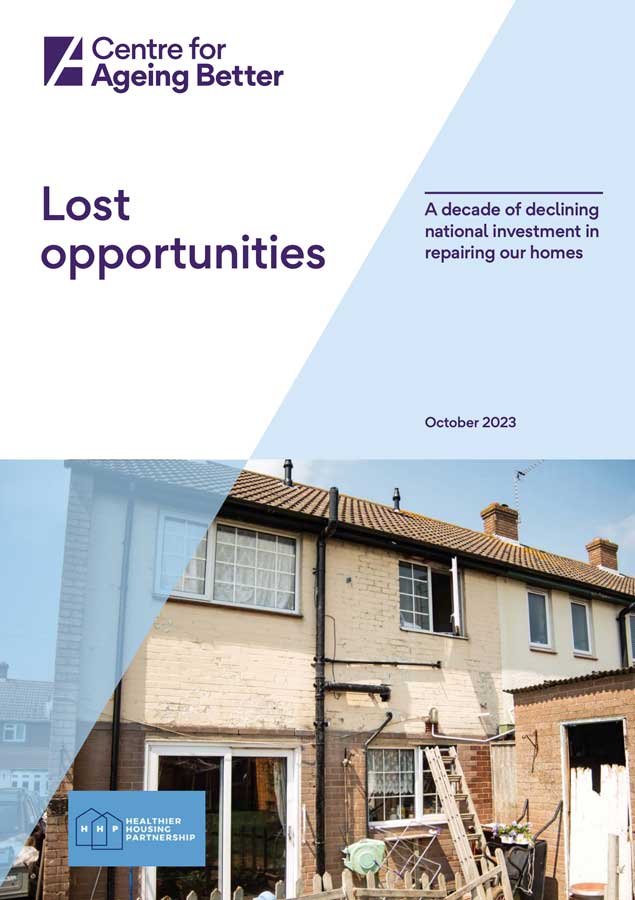
Image: Istock
Good Home Hubs
One practical way to reduce the postcode lottery in support across England is to develop a national network of Good Home Hubs.
Good Home Hubs act as local one-stop shops for home improvement support. They bring together local authorities, charities, housing providers and businesses to provide joined-up services that help people maintain, repair and adapt their homes.
Lincolnshire’s pilot programme, Good Home Lincs, provides a strong example of this approach. Through the Lincolnshire Good Home Alliance, district councils, the county council, health partners and voluntary organisations are working together to improve housing conditions and coordinate support for residents.
people in England live in homes that fail to meet basic decency standards
homes contain at least one of hazard that is a serious and immediate risk to a person’s health and safety
annual cost to the NHS of these homes, with £595 million attributed to homes headed by people aged 55 and over
Source: Better homes, better futures
Development tools
To support other local areas to develop a Good Home Hub in their area, we commissioned Campbell Tickell to develop a suite of tools designed to help local authorities and partners strengthen their home improvement services.
These tools include a range of practical resources to support inclusive, evidence-based housing improvement. They include ways to learn from residents’ experiences, plan services, gather evidence about housing conditions, and estimate the economic impact of interventions. They are designed for commissioners, service leads, housing and adult social care professionals as well as resident-facing staff.
The Healthy Home Assessment
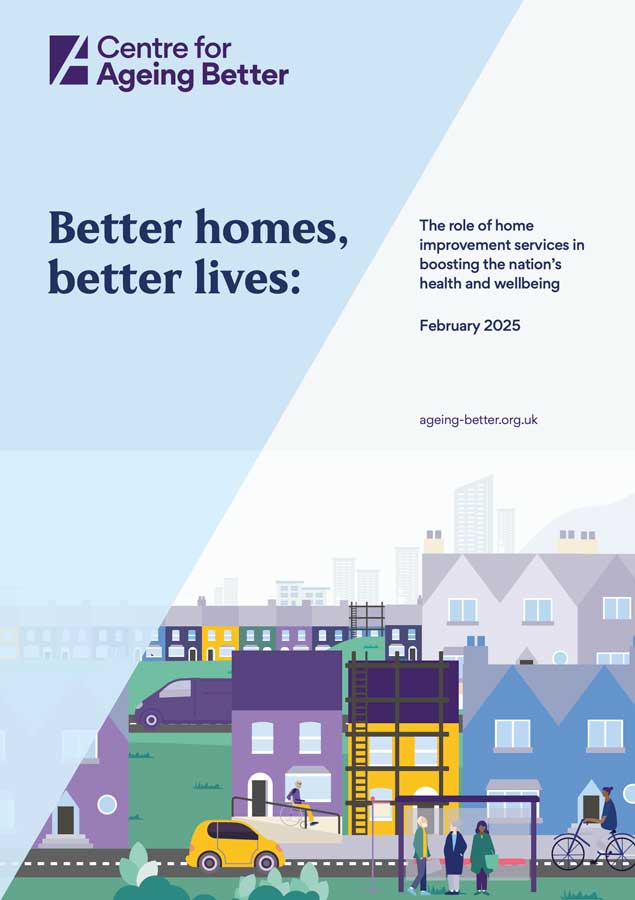
One of the biggest barriers for people addressing issues of disrepair in their home is simply not understanding the impacts of that disrepair or where to go for advice. In fact, insights from our Better Homes, Better Lives 2025 report highlighted that because of this, people live with housing issues for years before seeking support. Information can be difficult to find, or it can be spread across multiple organisations, making it hard to navigate. For some, the process of seeking assistance can involve long delays, complex systems or repeated referrals between services.
These barriers mean that problems in the home often worsen over time. The Healthy Homes Assessment Tool was created to help address some of these challenges.
Rather than overwhelming users with technical detail, the tool takes a practical, person-centred approach. It helps people recognise common issues in their homes and understand what steps they might take next.
Learning from experience
The tool has been shaped by Ageing Better’s Experts by Experience (EbE), a group of people aged 50 and over with lived experience of the issues Ageing Better seeks to address, alongside a dedicated group of practitioners working in local authorities. Early testing highlighted that the original design felt too text-heavy and difficult to navigate. In response, the team simplified the language, improved the structure and created a more visual and accessible user experience.
Participants also encouraged us to be clearer about what the tool can and cannot do, how it differs from a simple online search and how it supports tenants as well as homeowners. As a result, the final version places much greater emphasis on plain language, clearer pathways and helping people feel more confident about what to do next.
This version of the tool is a demonstration of what’s possible – rather than a finished, one-size-fits-all solution. Organisations using it will need to adapt the content, journeys and local information to suit their own services and audiences.
In Lincolnshire, caseworkers use their own version of the Healthy Home Assessment during home visits to guide conversations with residents about the condition of their homes and challenges they face. By working through the assessment together, they can identify issues, talk through possible solutions and agree practical next steps.
“One of the biggest barriers for people addressing issues of disrepair in their home is simply not understanding the impacts of that disrepair or where to go for advice... because of this, people live with housing issues for years before seeking support.”
A small part of a bigger solution
Improving housing quality requires system-wide change, from national policy and investment to stronger partnerships between housing, health and care.
Tools like this cannot solve these challenges on their own. But they can play a meaningful role in prevention by helping people recognise issues earlier and connect more easily with the support that already exists.
Connect with the Centre for Ageing Better:
Practitioners who are interested in hearing more about our other development tools, as well as other learning from services across England, are invited to join the Good Home Network, a learning network dedicated to driving change and improving housing quality across England.